Introduction
When it comes to roofing, the choice of materials can significantly affect the durability, performance, and overall appearance of your roof. Among the various options available, roofing membrane materials have gained popularity due to their effectiveness in waterproofing and weather resistance. So, what are roofing membranes, and why should you care about them? This article aims to unravel the complexities surrounding roofing membrane materials while providing insights that will help both homeowners and industry professionals.
Roofing membranes come in various types and applications tailored to meet specific needs. Whether you're considering a new installation or looking to repair an existing roof, understanding these materials can guide your decisions. In this comprehensive guide, we will delve into the different types of roofing membranes, their advantages and disadvantages, maintenance practices, and how they relate to licensed roofing contractors.
Understanding the Basics of Roofing Membrane Materials
Roofing membranes serve as a protective layer over your roof structure. They are designed to prevent water infiltration while allowing for some degree of flexibility under changing weather conditions. Typically installed on flat or low-slope roofs, these membranes are essential components in both residential and commercial roofing systems.
What Are Roofing Membranes?
Roofing membranes are thin layers made from various materials that provide waterproofing and protection against environmental elements. Common types include thermoplastic polyolefin (TPO), ethylene propylene diene monomer (EPDM), polyvinyl chloride (PVC), and modified bitumen.
Types of Roofing Membranes
TPO (Thermoplastic Polyolefin)- Lightweight Energy efficient UV resistant
- Excellent elasticity Durable against ozone Cost-effective
- Versatile Good chemical resistance Long-lasting
- Asphalt-based Reinforced with polymers Effective for low-slope roofs
Advantages of Roofing Membranes
Roofing membranes offer numerous benefits that enhance roof performance:
- Waterproofing: The primary function is to prevent water leaks. Longevity: Many membranes can last 20 years or more with proper maintenance. Energy Efficiency: Certain materials reflect sunlight, reducing cooling costs. Versatility: Suitable for various applications including residential roofing services.
Disadvantages of Roofing Membranes
While there are many advantages, some drawbacks exist:
- Cost: Initial installation can be expensive depending on material choice. Installation Complexity: Requires skilled labor for effective application which may lead to increased costs if not executed properly by certified roofing contractors.
Choosing the Right Roofing Membrane
Choosing a suitable membrane depends on several factors:
- Roof pitch Climate conditions Budget constraints Aesthetic preferences
Consulting with licensed roofing contractors can help narrow down choices based on individual requirements.
Installation Process of Roofing Membranes
Preparation Steps Before Installation
Before any installation begins:
Conduct a thorough roof inspection. Evaluate existing materials and conditions. Prepare a roof repair estimate if necessary.How Licensed Roofing Contractors Ensure Quality Installation
Licensed roofing contractors play a critical role in ensuring your membrane is installed correctly:
- They have access to specialized tools. They understand local building codes. Their experience helps minimize potential issues down the line.
Key Steps in Installing Roofing Membranes
Surface Preparation: Clean and dry the substrate thoroughly. Apply Adhesive: Depending on the type of membrane, adhesive may be needed for bonding. Lay Down the Membrane: Carefully place it over prepared surfaces while avoiding wrinkles or bubbles. Secure Edges: Use flashing or mechanical fasteners as required by local regulations.Maintenance Practices for Roofing Membranes
Importance of Regular Roof Inspections
Regular inspections can help identify minor issues before they escalate into significant problems requiring emergency roof repair services.
What Do Roofing Inspection Services Include?
A comprehensive inspection typically covers:
- Checking for punctures or tears in the membrane. Inspecting seams for potential leaks. Evaluating drainage systems for blockages.
Routine Maintenance Services Offered by Contractors
Routine maintenance services could involve:
- Cleaning debris from roof surfaces. Applying protective coatings if necessary. Scheduling periodic inspections with certified roofing contractors.
Common Issues with Roofing Membrane Materials
Roof Leaks: Causes and Solutions
Leaks often stem from improper installation or wear over time:
Poor Seams: The junctions between two pieces may not bond effectively leading to leaks. Punctures: Foot traffic or sharp objects can create holes in membranes.Emergency Roof Leak Repair Services
If you notice signs of leakage like water stains inside your home:
Contact a reputable roof repair company immediately for an emergency assessment & repair estimate. Avoid DIY fixes as they could exacerbate the problem without professional guidance.Wind Damage Repair Options for Membranes
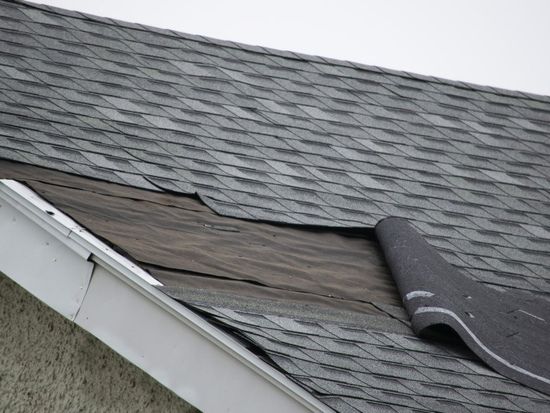
Strong winds can compromise your membrane’s integrity:
Inspect edges and seams regularly post-storms. Consider wind damage roof repair services if you see any loose sections after inclement weather events.Cost Considerations Related to Roofing Membranes
Initial Installation Costs vs Long-Term Investment Value
While initial costs may seem high—ranging widely based on material type—consider long-term savings through reduced maintenance expenses and energy efficiency benefits over time.
| Type of Material | Average Cost per Square Foot | Lifespan | |------------------|------------------------------|----------| | TPO | $5-$7 | 15+ years| | EPDM | $4-$6 | 20+ years| | PVC | $6-$8 | 20+ years| | Modified Bitumen | $4-$7 | 15+ years|
How Roof Replacement Costs Vary by Material Type
Should you need a complete roof replacement due to extensive damage or wear:
Get multiple estimates from best roofing contractors in your area specializing in various membrane types. Understand each estimate includes labor costs along with material pricing that varies greatly among different types.FAQs About Roofing Membrane Materials
What is a roofing membrane?

How long do roofing membranes last?
Most quality roofing membranes last anywhere from 15 to 30 years depending on material type and maintenance practices employed throughout their service life.
Can I install a roofing membrane myself?
While it’s possible if you’re handy, hiring licensed professionals ensures adherence to manufacturer specifications thereby safeguarding warranty protections as well as preventing costly mistakes during installation processes.
What should I do if my roof starts leaking?
First off, locate where exactly it’s leaking then contact an emergency roof leak detection service immediately before further damage occurs indoors!
Are there eco-friendly options available?
Yes! Some companies now offer sustainable alternatives like TPO which utilize recycled materials contributing towards reducing environmental impact associated with traditional manufacturing processes!
Is it worth investing in high-quality membranes?
Absolutely! Investing upfront pays dividends later through minimized repairs & enhanced energy savings thanks largely due prolonged life spans associated with roofing contractors premium-grade options versus cheaper alternatives susceptible premature failure!
Conclusion
Understanding the basics of roofing membrane materials equips homeowners with invaluable knowledge when navigating choices related not just installation https://www.southernroofingsystems.com/best-roofers-near-you-gulf-shores-alabama roofing contractors but also ongoing care required post-installation! With numerous types available catering specific needs depending upon climate & individual preferences—it pays dividends researching beforehand consulting trusted licensed professionals within industry before making commitments!
In summary, always ensure regular inspections alongside scheduled maintenance programs ultimately leading towards maximizing longevity protecting investments made today ensuring peace mind tomorrow!